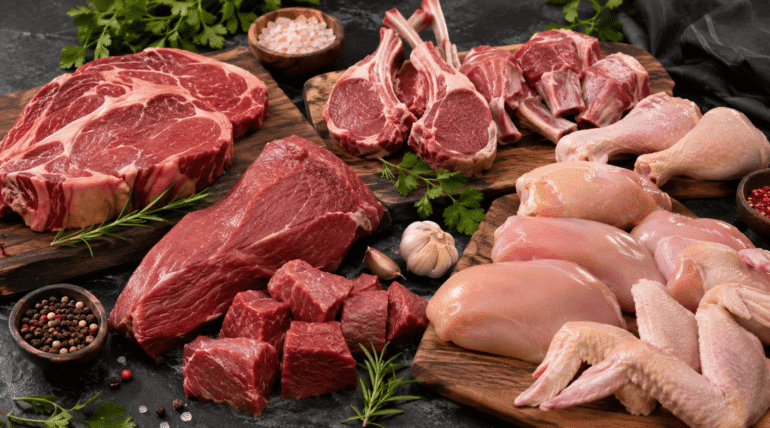
Choosing the right meat cut can make a significant difference in the taste, texture, tenderness, and overall quality of a meal. Whether you are preparing a traditional beef curry, a slow-cooked mutton dish, grilled steaks, or crispy chicken, understanding different meat cuts helps you select the right portion for every recipe.
Meat comes from different sections of an animal, and each section has its own characteristics. Some cuts are naturally tender and cook quickly, while others contain more connective tissue and require longer cooking times to become soft and flavorful.
This complete guide to meat cuts explains the most common types of beef, mutton, and chicken cuts, their names, where they come from, and how to use them. It also covers the best cuts for grilling, roasting, frying, curries, barbecue, and slow cooking.
What Are Meat Cuts?
Meat cuts are individual portions of an animal obtained during the butchering and meat-processing process. Butchers divide an animal into larger sections, known as primal cuts, which are then separated into smaller portions for retail and food preparation.
For example, a cow is divided into sections such as the shoulder, rib, loin, brisket, and round. These sections produce familiar cuts like ribeye steak, sirloin, brisket, chuck roast, and ground beef.
Similarly, mutton is divided into shoulder, leg, ribs, loin, and other sections, while chicken is commonly separated into breast, thighs, drumsticks, wings, and other portions.
Each cut differs in:
- Tenderness: How soft or firm the meat is.
- Fat content: The amount of visible fat and intramuscular fat (marbling).
- Texture: The structure and density of the muscle fibers.
- Flavor: The intensity and richness of the meat’s natural taste.
- Cooking requirements: Whether the cut is better suited to quick cooking or slow cooking.
Understanding these characteristics helps consumers, chefs, restaurants, and food businesses choose meat according to their cooking requirements.
Main Types of Meat Cuts
The three most commonly consumed meat categories are beef, mutton, and chicken. Each has different cuts, textures, and culinary applications.
1. Beef Cuts: Names, Types, and Uses
Beef comes from cattle and is divided into several major sections. The tenderness of each cut depends largely on the muscle’s location, how frequently it is used, its connective tissue, and its fat distribution.
The main beef cuts include chuck, rib, loin, sirloin, round, brisket, plate, flank, and shank.
Chuck (Shoulder)
Chuck comes from the shoulder and upper forequarter of the cow. Because these muscles are regularly used for movement, chuck generally contains more connective tissue than premium loin cuts.
Common cuts:
- Chuck roast
- Shoulder steak
- Blade steak
- Chuck short ribs
- Ground chuck
Characteristics: Flavorful, moderately fatty, and relatively firm.
Best uses: Beef curry, stews, pot roast, minced beef, and slow-cooked dishes.
Chuck is an excellent choice for recipes that involve extended cooking because the connective tissue gradually softens, producing tender and flavorful meat.
Rib
The rib section comes from the upper back of the cow. It produces some of the most popular premium beef cuts because of its tenderness and intramuscular fat.
Common cuts:
- Ribeye steak
- Prime rib roast
- Beef back ribs
- Rib steak
- Cowboy steak
Characteristics: Tender, juicy, and often well-marbled.
Best uses: Grilling, pan-searing, roasting, and barbecue.
Ribeye is particularly popular for steaks because its marbling contributes to a rich flavor and juicy texture when cooked properly.
Loin
The loin is located along the back of the cow, behind the rib section. It contains relatively tender muscles that are not heavily involved in movement.
Common cuts:
- Tenderloin
- Filet mignon
- T-bone steak
- Porterhouse steak
- Strip steak
Characteristics: Naturally tender, fine-textured, and generally leaner than ribeye.
Best uses: Grilling, pan-frying, broiling, and quick roasting.
Tenderloin is one of the most tender beef cuts. It is commonly used for premium steaks and dishes where a soft, delicate texture is preferred.
Sirloin
Sirloin comes from the rear back portion of the cow, near the hip. It offers a balance between tenderness, flavor, and value.
Common cuts:
- Top sirloin
- Bottom sirloin
- Tri-tip
- Sirloin steak
- Sirloin roast
Characteristics: Moderately tender, flavorful, and generally lean.
Best uses: Grilling, roasting, kebabs, steak sandwiches, and stir-frying.
Sirloin is a versatile option for people who want flavorful beef without necessarily choosing the more expensive premium loin cuts.
Round
The round comes from the rear leg and rump area of the cow. These muscles are heavily used, making the meat relatively lean and firm.
Common cuts:
- Top round
- Bottom round
- Eye of round
- Rump roast
- Round steak
Characteristics: Lean, firm, and relatively low in marbling.
Best uses: Roasting, thinly sliced beef, sandwiches, stews, and stir-frying.
Round cuts benefit from careful cooking. Thin slicing against the grain and using marinades can improve their eating texture.
Brisket
Brisket comes from the lower chest area of the cow. Since this section supports much of the animal’s body weight, the meat contains substantial connective tissue.
Common cuts:
- Whole brisket
- Brisket flat
- Brisket point
- Corned beef brisket
Characteristics: Firm when raw, rich in connective tissue, and flavorful.
Best uses: Slow roasting, smoking, braising, barbecue, and pulled beef.
Brisket requires low-temperature, extended cooking to become tender. It is especially popular in barbecue and traditional slow-cooked meat dishes.
Plate
The plate comes from the lower belly area, beneath the rib section. It contains flavorful cuts with varying amounts of fat and connective tissue.
Common cuts:
- Short ribs
- Skirt steak
- Plate ribs
- Ground beef
Characteristics: Rich flavor, varying fat content, and relatively firm texture in certain cuts.
Best uses: Barbecue, grilling, braising, fajitas, and minced beef.
Skirt steak is particularly suitable for high-heat cooking and is best sliced against the grain to improve tenderness.
Flank
Flank comes from the abdominal area of the cow, behind the plate section. It is a relatively lean cut with noticeable muscle fibers.
Common cuts:
- Flank steak
- Flank strips
- Flank roll
Characteristics: Lean, flavorful, and distinctly fibrous.
Best uses: Grilling, stir-frying, marinating, and thinly sliced beef dishes.
Marinating flank steak and cutting it against the grain helps produce a more tender eating experience.
Shank
Shank comes from the lower leg of the cow. It is one of the tougher cuts because it contains heavily exercised muscle and connective tissue.
Common cuts:
- Cross-cut beef shank
- Osso buco-style shank
- Boneless shank
Characteristics: Firm, lean muscle with substantial connective tissue and rich flavor.
Best uses: Beef stew, soups, bone-in curries, braising, and slow cooking.
When cooked slowly in liquid, shank becomes tender and releases gelatin from its connective tissue, giving the cooking liquid a rich consistency.
2. Mutton Cuts: Names, Types, and Uses
Mutton is commonly used in South Asian, Middle Eastern, and international cuisines. In everyday Pakistani meat markets, the term mutton generally refers to sheep or goat meat, although technically these are different animals.
The specific cuts and names can vary depending on the animal, butcher, and regional cutting practices.
The main sections include shoulder, leg, ribs, loin, neck, breast, and shank.
Shoulder
The shoulder comes from the front section of the animal. It contains muscles that are frequently used for movement, resulting in a flavorful cut with connective tissue.
Common cuts:
- Shoulder chops
- Bone-in shoulder
- Boneless shoulder
- Shoulder roast
- Shoulder cubes
Characteristics: Flavorful, moderately fatty, and relatively firm.
Best uses: Mutton curry, karahi, stew, slow roasting, and minced meat.
Shoulder meat is particularly useful for traditional curries because its combination of muscle, fat, and connective tissue creates a rich flavor during slow cooking.
Leg
The leg comes from the hindquarter and is one of the larger meat sections. It offers a good balance of meat, tenderness, and relatively low fat content.
Common cuts:
- Whole leg
- Leg roast
- Boneless leg
- Leg steaks
- Leg cubes
Characteristics: Lean, meaty, and moderately tender.
Best uses: Roasting, grilling, barbecue, mutton pulao, and kebabs.
A whole leg is suitable for roasting, while smaller cubes can be used in curries and other traditional dishes.
Rib and Rack
The rib section runs along the upper back of the animal. It produces tender portions that are particularly popular for grilling and roasting.
Common cuts:
- Mutton chops
- Rib chops
- Rack of lamb
- Riblets
Characteristics: Tender, juicy, and often moderately marbled.
Best uses: Grilling, barbecue, pan-frying, and oven roasting.
Mutton chops are widely used in barbecue restaurants and home cooking. Their combination of meat and bone provides a distinctive flavor.
Loin
The loin is located along the back, between the rib and leg sections. It produces some of the most tender portions of the animal.
Common cuts:
- Loin chops
- T-bone-style chops
- Boneless loin
- Loin roast
Characteristics: Tender, fine-textured, and relatively lean.
Best uses: Pan-frying, grilling, roasting, and quick cooking.
Loin chops are ideal when a recipe requires tender meat that can be cooked over relatively high heat.
Neck
The neck is located near the front of the animal, connecting the head and shoulder.
Common cuts:
- Neck slices
- Neck chops
- Boneless neck
- Neck cubes
Characteristics: Rich in flavor, with connective tissue and varying amounts of bone.
Best uses: Mutton curry, yakhni, soups, stews, and slow cooking.
Neck meat is especially suitable for dishes that require a flavorful broth. Slow cooking allows the meat to soften and release its natural flavor into the cooking liquid.
Breast
The breast comes from the lower front section of the animal. It contains a combination of fat, meat, cartilage, and connective tissue.
Common cuts:
- Breast pieces
- Boneless breast
- Rolled breast
- Breast ribs
Characteristics: Relatively fatty, flavorful, and firm.
Best uses: Slow cooking, roasting, stuffing, and traditional curries.
This section benefits from moist cooking methods that help soften its connective tissue.
Shank
Shank comes from the lower portion of the animal’s legs. It is a hardworking muscle and contains connective tissue that requires longer cooking.
Common cuts:
- Fore shank
- Hind shank
- Bone-in shank
Characteristics: Firm muscle, rich connective tissue, and deep flavor.
Best uses: Slow-cooked curry, soups, stews, and braised meat dishes.
Shank is a popular option for recipes where the meat needs to become soft and tender while enriching the cooking liquid.
3. Chicken Cuts: Names, Types, and Uses
Chicken is one of the most versatile and widely consumed meat options. It can be divided into several portions, each offering a different texture, fat content, and cooking application.
Unlike larger livestock, chicken is commonly divided into breast, wings, thighs, drumsticks, and whole-leg portions.
Chicken Breast
Chicken breast comes from the front chest section of the bird. It is classified as white meat and is commonly available bone-in or boneless.
Common cuts:
- Whole chicken breast
- Boneless chicken breast
- Skinless chicken breast
- Chicken breast fillets
- Chicken tenders
Characteristics: Lean, mild in flavor, and relatively low in fat.
Best uses: Grilling, frying, baking, sandwiches, salads, and chicken steaks.
Boneless chicken breast is particularly popular for restaurants and commercial food preparation because it is easy to portion and cook.
Chicken Thigh
The thigh is located in the upper portion of the chicken leg. It is classified as dark meat and generally contains more fat than chicken breast.
Common cuts:
- Bone-in chicken thigh
- Boneless chicken thigh
- Skinless chicken thigh
- Chicken thigh fillets
Characteristics: Juicy, flavorful, and relatively tender.
Best uses: Chicken curry, grilling, roasting, stir-frying, and boneless chicken dishes.
Chicken thighs are a good choice for recipes that require moist, flavorful meat.
Chicken Drumstick
The drumstick is the lower portion of the chicken leg, located below the thigh.
Characteristics: Dark meat, moderate fat content, and a firm texture.
Best uses: Fried chicken, barbecue, grilling, roasting, and curries.
Drumsticks are particularly popular for individual servings because they are easy to handle and cook with the bone intact.
Chicken Wings
Chicken wings come from the front limbs of the bird and are commonly divided into three sections.
Common cuts:
- Drumettes
- Wingettes or flats
- Wing tips
Characteristics: Bone-in, skin-covered, and flavorful.
Best uses: Buffalo wings, fried chicken wings, barbecue, grilling, and appetizers.
The drumette contains more meat around a single bone, while the flat has two smaller bones. Wing tips are often used to prepare stocks and broths.
Whole Chicken Leg
A whole chicken leg consists of the thigh and drumstick together.
Characteristics: Dark meat with a combination of lean muscle, fat, and bone.
Best uses: Roasting, grilling, frying, baking, and traditional chicken curry.
Whole chicken legs are suitable for recipes that require a larger portion with both thigh and drumstick meat.
Chicken Tenderloin
Chicken tenderloin is the small, naturally tender muscle located beneath the main breast portion.
Characteristics: Soft texture, mild flavor, and low fat content.
Best uses: Chicken strips, nuggets, stir-frying, pan-frying, and quick grilling.
Because tenderloins are relatively small, they cook faster than whole chicken breast portions.
Chicken Back and Neck
These portions come from the rear and upper neck sections of the chicken.
Characteristics: Bone-rich, with smaller amounts of attached meat.
Best uses: Chicken stock, soups, broths, and traditional cooking preparations.
Although these portions contain less meat, they are valuable for preparing flavorful stocks and cooking liquids.
Understanding Meat Cuts by Cooking Method
Choosing meat based on the cooking method is just as important as knowing its name. A naturally tender cut can become dry when overcooked, while a tougher cut can become delicious when cooked slowly.
Here is a practical comparison of common meat cuts and their recommended cooking methods.
| Cooking Method | Recommended Beef Cuts | Recommended Mutton Cuts | Recommended Chicken Cuts |
| Grilling | Ribeye, sirloin, tenderloin, flank | Chops, loin, leg steaks | Breast, thighs, wings |
| Barbecue | Short ribs, brisket, sirloin | Shoulder, chops, leg | Wings, drumsticks, thighs |
| Slow Cooking | Chuck, brisket, shank | Shoulder, neck, shank, breast | Thighs, drumsticks |
| Roasting | Rib roast, tenderloin, round | Leg, shoulder, rack | Whole chicken, breast, legs |
| Frying | Thin steak, sirloin strips | Chops, thin leg slices | Breast fillets, tenders, wings |
| Curries | Chuck, shank, short ribs | Shoulder, neck, leg, shank | Thighs, drumsticks, whole portions |
| Stir-Frying | Flank, sirloin, thinly sliced round | Boneless leg, loin | Boneless breast, thigh |
The key principle is simple: tender cuts generally perform well with quick, high-heat cooking, while tougher cuts usually benefit from low-temperature, moist cooking over a longer period.
Tender Meat Cuts vs. Tough Meat Cuts: What’s the Difference?
One of the most important things to understand when buying meat is the difference between tender and tough cuts.
Tender Meat Cuts
Tender cuts generally come from muscles that perform less physical work. They have finer muscle structures and usually require less cooking time.
Examples include:
- Beef tenderloin
- Beef ribeye
- Beef strip steak
- Mutton loin chops
- Mutton rib chops
- Chicken breast
- Chicken tenderloin
These cuts are commonly used for steaks, grilling, pan-frying, and quick roasting.
Tougher Meat Cuts
Tougher cuts generally come from heavily exercised muscles. They often contain more connective tissue, which can make them firm when cooked quickly.
Examples include:
- Beef chuck
- Beef brisket
- Beef shank
- Mutton shoulder
- Mutton neck
- Mutton shank
These cuts are better suited to braising, stewing, slow roasting, and other moist cooking methods.
However, toughness does not mean poor quality. When prepared correctly, tougher cuts can deliver exceptional flavor and tenderness.
How to Choose the Right Meat Cut
Selecting the right meat cut involves more than choosing a particular animal or portion. You should also consider the recipe, freshness, fat distribution, quantity, and cooking method.
Here are some practical factors to consider when purchasing meat.
1. Match the Cut With Your Recipe
Start by deciding what you intend to cook. For example, choose ribeye or sirloin for steaks, mutton shoulder for traditional curries, and chicken breast for grilled fillets.
The right cut makes preparation easier and helps achieve the desired texture.
2. Check the Color and Appearance
Fresh meat should have a natural appearance appropriate to its species and cut. Beef typically has a red color, while fresh chicken is generally pale pink. Mutton can range from pinkish-red to deeper red depending on the animal and its age.
Avoid meat with unusual discoloration, sticky surfaces, or unpleasant odors.
3. Consider Fat Distribution
Fat contributes to flavor, moisture, and tenderness. Beef ribeye, for example, is known for its marbling, while chicken breast is relatively lean.
The ideal fat content depends on your cooking method and personal preference.
4. Decide Between Bone-In and Boneless Meat
Bone-in cuts are commonly preferred for traditional curries, soups, and certain roasting preparations. Boneless cuts are convenient for grilling, frying, kebabs, and portion-controlled meals.
Your choice should depend on the recipe and how you plan to serve the meat.
5. Buy From a Reliable Meat Supplier
A dependable meat supplier should maintain appropriate hygiene, refrigeration, handling, and storage practices.
For restaurants, hotels, caterers, and other food businesses, consistent portion sizes and reliable supply are also important considerations.
Common Meat Cutting Terms You Should Know
Understanding butcher terminology makes it easier to communicate your requirements and select the right portions.
Primal Cuts: Large sections separated from the animal during the initial butchering process.
Subprimal Cuts: Smaller sections obtained by dividing primal cuts into more manageable portions.
Portion Cuts: Individual retail or foodservice portions, such as steaks, chops, and fillets.
Bone-In Cuts: Meat portions that retain the bone.
Boneless Cuts: Meat portions with the bones removed.
Trimmed Meat: Meat from which excess fat, connective tissue, or unwanted portions have been removed.
Ground Meat: Meat that has been minced or mechanically ground into smaller pieces.
Marbling: Small streaks of intramuscular fat distributed throughout the meat.
Tenderization: A process that improves meat tenderness through mechanical, enzymatic, or other suitable methods.
Braising: A cooking technique that combines initial browning with slow cooking in a relatively small amount of liquid.
Carcass: The dressed body of an animal after the removal of specified parts during processing.
Frequently Asked Questions About Meat Cuts
1. What are the main types of meat cuts?
The main types of meat cuts include beef, mutton, and chicken portions. Beef is divided into sections such as chuck, rib, loin, sirloin, round, brisket, plate, flank, and shank. Mutton includes shoulder, leg, ribs, loin, neck, breast, and shank. Chicken is commonly divided into breast, thigh, drumstick, wings, and tenderloin.
2. Which meat cut is the most tender?
Beef tenderloin is generally considered one of the most tender beef cuts because it comes from a muscle that performs relatively little work. Mutton loin and rib chops are also naturally tender. Chicken tenderloin is among the softest chicken portions.
3. Which beef cuts are best for steaks?
Ribeye, tenderloin, strip steak, T-bone, porterhouse, and sirloin are popular beef cuts for steaks. They offer different combinations of tenderness, marbling, and flavor.
4. Which meat cuts are best for curry?
Beef chuck, beef shank, mutton shoulder, mutton neck, and mutton shank are suitable for slow-cooked curries. Chicken thighs and drumsticks are also excellent options for chicken curry.
5. Which meat cuts are best for grilling?
Ribeye, sirloin, tenderloin, mutton chops, loin chops, chicken breast, thighs, and wings are popular grilling options. Tender cuts are particularly suitable for quick, high-heat cooking.
6. What is the difference between bone-in and boneless meat?
Bone-in meat retains the bone and is commonly used in curries, soups, and roasting. Boneless meat has the bones removed, making it easier to portion, slice, fry, and grill.
7. Which meat cuts are best for slow cooking?
Beef chuck, brisket, shank, mutton shoulder, neck, and shank are particularly suitable for slow cooking. These cuts contain connective tissue that gradually softens during extended cooking.
8. Are mutton and lamb cuts the same?
Mutton and lamb come from sheep but generally refer to different age categories. Lamb is meat from younger sheep, while mutton typically refers to meat from mature sheep. Their cuts come from similar anatomical sections, but their flavor and texture can differ. In Pakistan, everyday usage may also include goat meat under the term mutton.
9. What is the difference between chicken breast and chicken thigh?
Chicken breast is white meat with a leaner composition and mild flavor. Chicken thigh is dark meat with more fat and a richer flavor. Breast is commonly used for fillets and grilled dishes, while thighs are popular for curries, roasting, and frying.
10. How do I know which meat cut to buy?
Choose your meat according to the recipe, cooking method, desired tenderness, and fat content. For steaks, consider tenderloin, ribeye, or sirloin. For curries, choose suitable shoulder, chuck, or shank portions. For frying and grilling, chicken breast, thighs, and wings are versatile options.
Final Thoughts
Choosing the right meat cut makes every meal better. From tender beef steaks and flavorful mutton cuts to versatile chicken portions, each cut has its own taste, texture, and ideal cooking method.
Whether you’re preparing meals at home or sourcing meat for a restaurant, understanding different meat cuts helps you make smarter choices and enjoy better results every time.