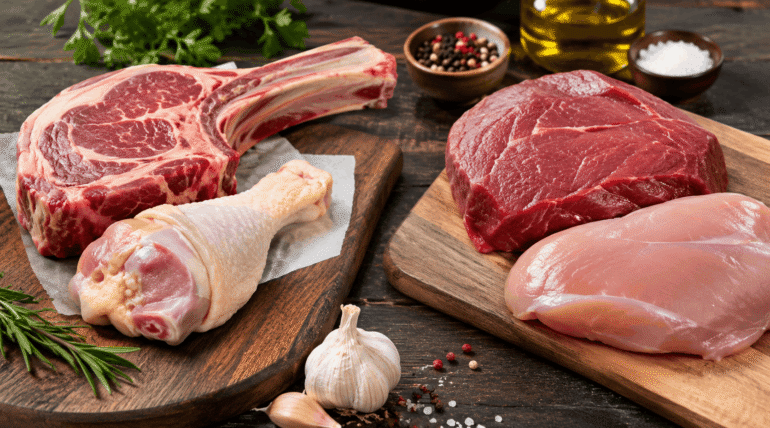
Choosing between bone-in and boneless meat can affect more than just the price of your purchase. It can influence cooking time, flavor, texture, portion size, and the type of dish you prepare. While bone-in cuts are often preferred for slow cooking, grilling, and traditional recipes, boneless cuts offer convenience, easier preparation, and more consistent portions.
Both options have their advantages, and the right choice depends on your cooking method, personal preferences, budget, and the meal you want to prepare.
In this guide, we will explain the differences between bone-in and boneless meat, compare their flavor, texture, cooking performance, and cost, and help you understand which option is better for different cooking needs.
What Is Bone-In Meat?
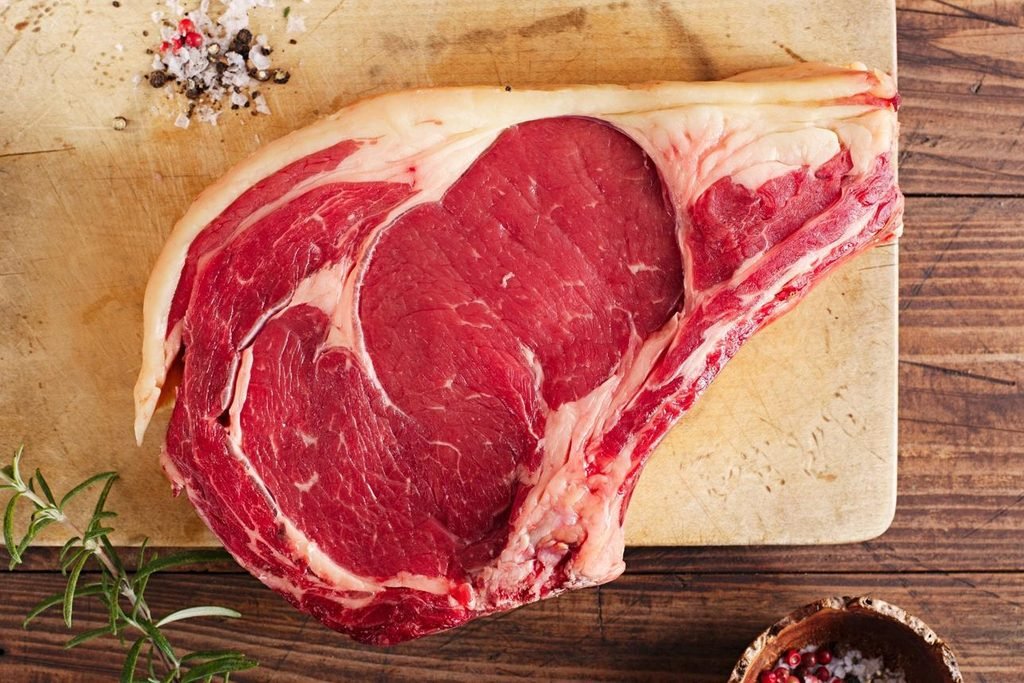
Bone-in meat refers to cuts of meat that retain the natural bone as part of the cut. The bone remains attached during butchering, preparation, and cooking.
Common examples include bone-in ribeye steaks, T-bone steaks, pork chops, chicken thighs, lamb chops, and beef short ribs.
Many cooks prefer bone-in meat because it provides a traditional presentation and works particularly well in roasting, braising, grilling, and slow-cooking recipes.
Key characteristics of bone-in meat:
- Contains the natural bone within the cut.
- Often requires slightly more preparation and carving.
- Can help maintain the shape of certain cuts during cooking.
- Usually takes longer to cook than comparable boneless cuts.
- Includes bone weight in the total purchase weight.
- Works well for roasting, grilling, smoking, and slow cooking.
What Is Boneless Meat?
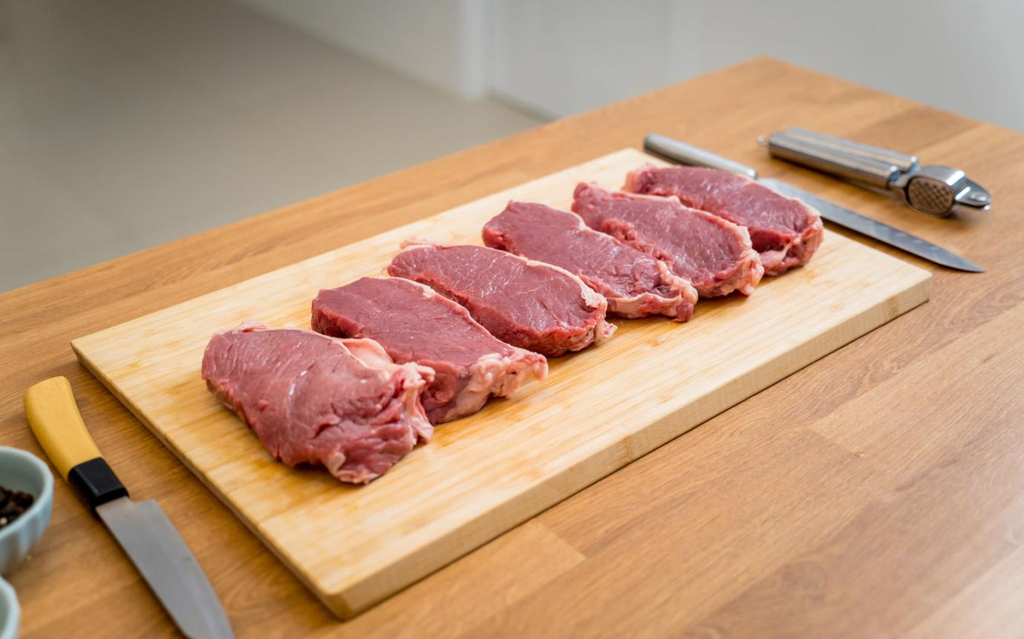
Boneless meat is meat that has had its bones removed during butchering. It provides ready-to-cook portions that are generally easier to handle, season, slice, and serve.
Popular examples include boneless chicken breast, boneless chicken thighs, beef tenderloin, boneless pork chops, and boneless lamb cuts.
Boneless cuts are particularly useful for quick meals, stir-fries, sandwiches, kebabs, and recipes that require evenly sized portions.
Key characteristics of boneless meat:
- Has no bones, making it easier to prepare and eat.
- Offers more usable meat per unit of purchase weight.
- Is generally easier to portion and slice.
- Often cooks faster than comparable bone-in cuts.
- Provides convenience for everyday cooking.
- Works well for pan-frying, grilling, roasting, and stir-frying.
Bone-In vs. Boneless Meat: Key Differences
Although both types come from the same animals, their preparation, cooking performance, and purchasing considerations can differ.
Here is a quick comparison of their main characteristics.
| Comparison | Bone-In Meat | Boneless Meat |
| Bone content | Bone remains attached | Bones removed |
| Preparation | Requires more handling | Easier to prepare |
| Cooking time | Often longer | Often shorter |
| Portioning | Less convenient | More convenient |
| Edible yield | Includes bone weight | Higher usable yield |
| Cooking applications | Roasting, braising, grilling | Stir-frying, grilling, roasting |
| Presentation | Traditional appearance | Clean, uniform portions |
| Storage | Requires appropriate packaging | Easier to portion and store |
| Price per pound | Can be lower or higher | Can be higher per pound |
The most important distinction is that bone-in meat includes bone weight in the purchase price, while boneless meat provides a greater proportion of directly usable meat.
1. Flavor and Taste: Does Bone-In Meat Taste Better?
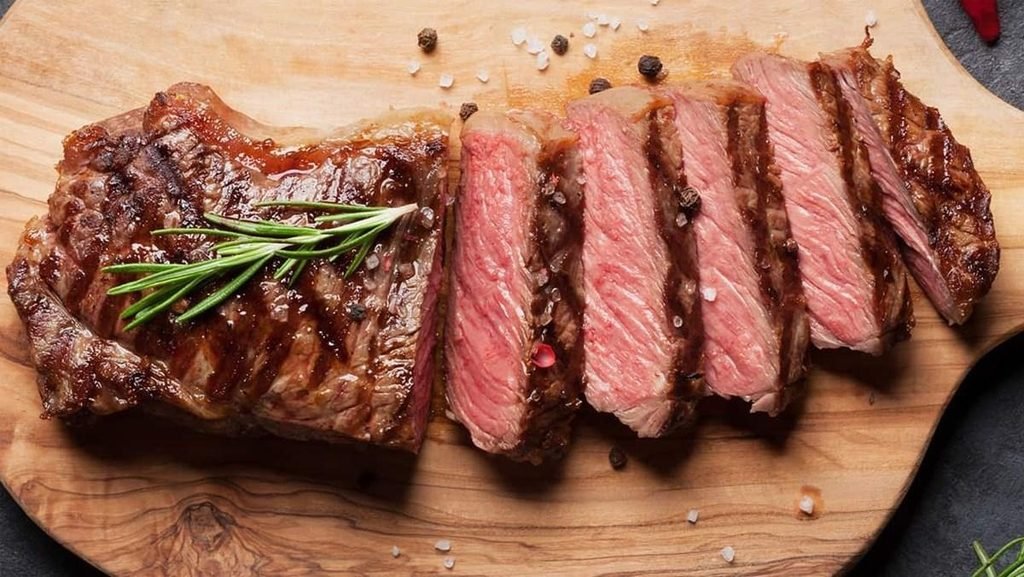
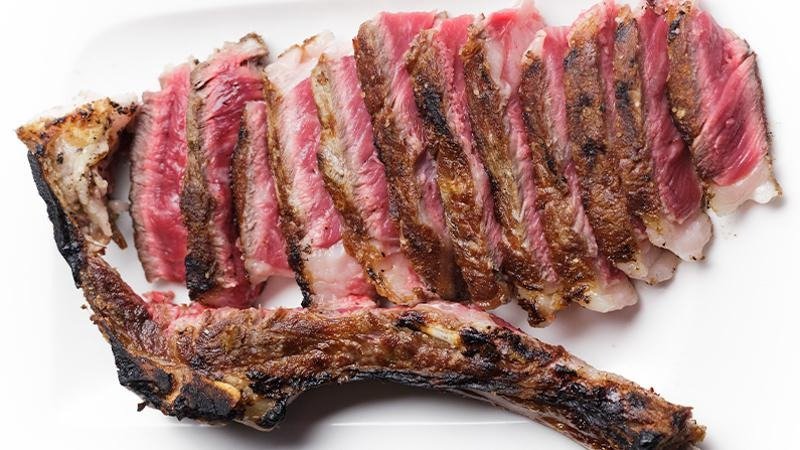
One of the most common beliefs among meat lovers is that bone-in meat always tastes better than boneless meat. However, the difference is not as straightforward as it may seem.
Bone-in cuts are often associated with rich flavor, especially when grilled or roasted. The bone can influence heat transfer and help protect the meat around it during cooking. The meat’s natural fat, connective tissue, seasoning, and cooking technique also contribute significantly to its final flavor.
Boneless meat can be equally flavorful, particularly when it comes from well-marbled cuts and is prepared correctly.
What influences meat flavor?
- Fat content: Intramuscular fat, also known as marbling, contributes to tenderness and flavor.
- Meat quality: The animal’s breed, diet, age, and handling can influence flavor.
- Cooking method: Grilling, roasting, smoking, and braising produce different flavor profiles.
- Seasoning: Marinades, herbs, spices, and rubs enhance the natural taste of meat.
- Cut selection: Different cuts have different fat levels, textures, and flavor characteristics.
Which tastes better?
Bone-in cuts are an excellent choice for people who enjoy traditional steaks, chops, and slow-cooked meat. However, boneless cuts can deliver equally satisfying results when the meat quality and cooking method are appropriate.
2. Texture and Tenderness
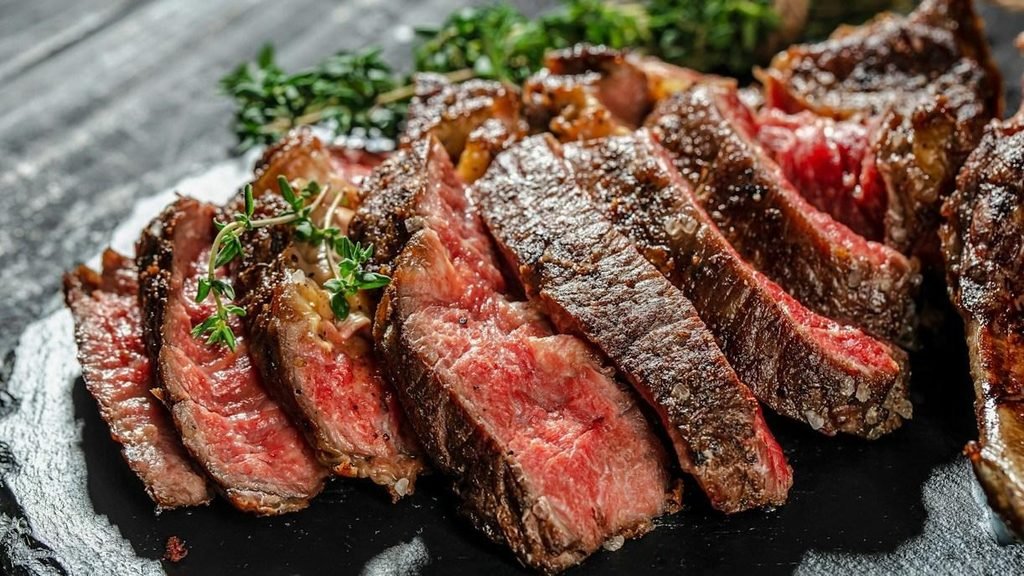
Texture and tenderness depend primarily on the muscle, connective tissue, fat content, animal characteristics, and cooking technique rather than simply whether the bone is present.
Bone-in cuts can retain their shape during cooking, and certain cuts benefit from the additional protection provided by the bone.
Boneless cuts, on the other hand, are easier to trim, slice, and portion. They can also cook more evenly when cut into consistent thicknesses.
For example:
- Bone-in ribeye offers rich marbling and a distinctive steak presentation.
- Boneless ribeye is easier to portion and cook consistently.
- Bone-in chicken thighs often remain juicy when roasted or grilled.
- Boneless chicken thighs are convenient for marinades and quick meals.
Buying tip: If tenderness is your main priority, focus on the specific cut, marbling, freshness, and cooking method instead of choosing based only on bone content.
3. Cooking Time and Preparation
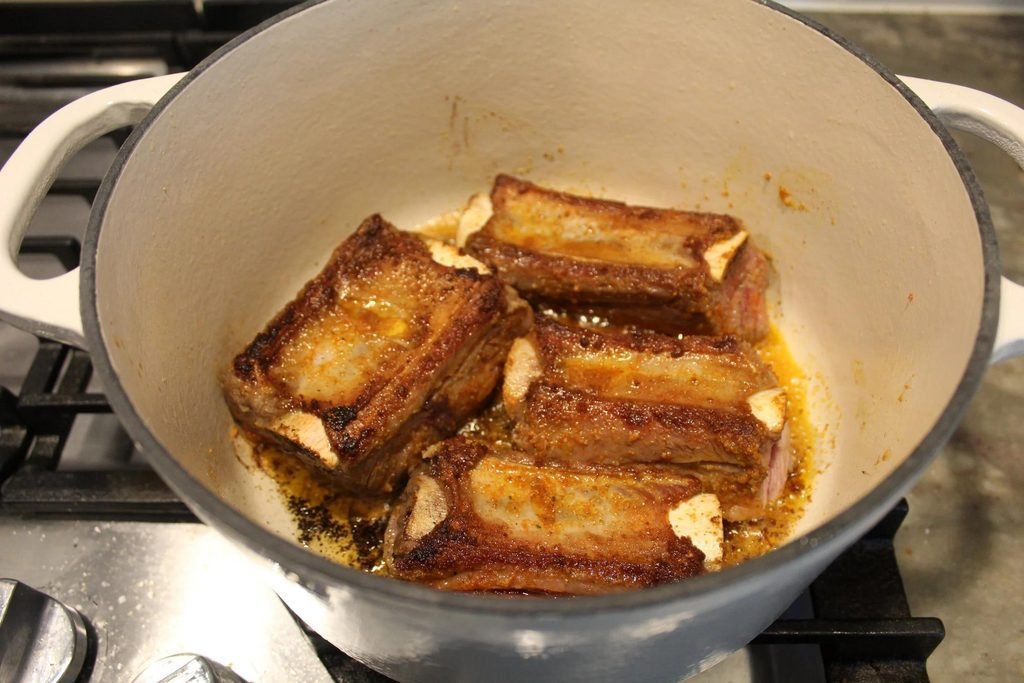
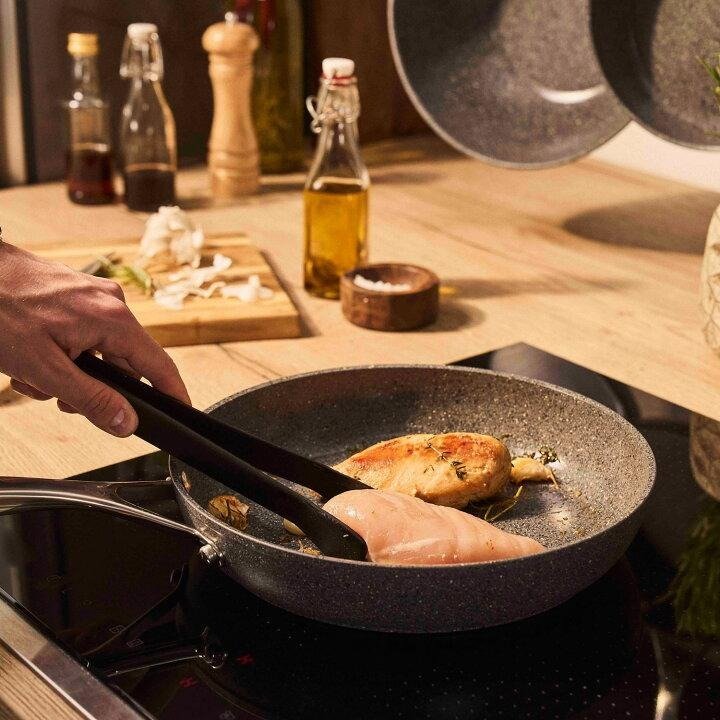
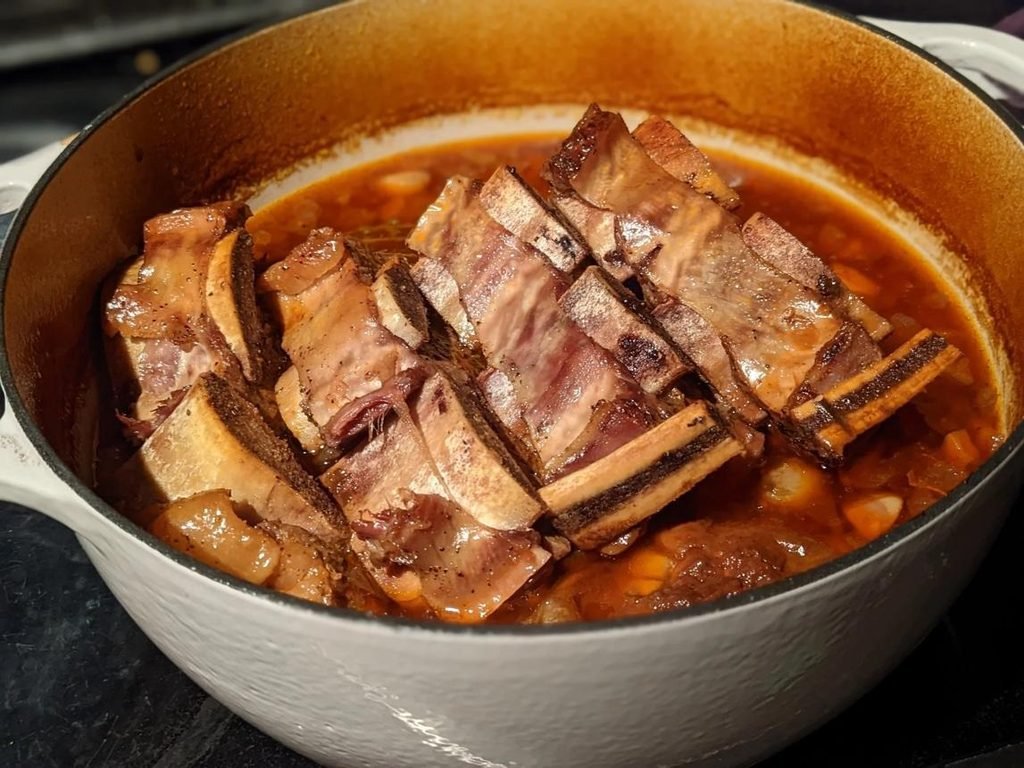
Cooking time is another important difference between bone-in and boneless meat.
Bone-in cuts generally require more time because the bone affects heat distribution and the overall thickness and shape of the cut. However, actual cooking time varies significantly depending on the meat type, thickness, cooking temperature, and method.
Boneless cuts are often quicker and easier to prepare because they can be cut into uniform portions and have fewer structural obstacles during cooking.
Bone-in meat is suitable for:
- Slow-cooked beef short ribs.
- Roasted whole chicken.
- Grilled lamb chops.
- Smoked pork ribs.
- Braised beef shanks.
Boneless meat is suitable for:
- Chicken stir-fries.
- Beef kebabs.
- Grilled chicken sandwiches.
- Boneless pork chops.
- Quick beef and vegetable dishes.
Regardless of the cut, use a food thermometer to confirm that meat has reached a safe internal temperature. Do not rely on cooking time or appearance alone.
4. Price and Value for Money
Price is one of the most important considerations when buying meat. Bone-in cuts may have a lower price per pound than comparable boneless cuts, but this does not automatically make them more economical.
The reason is simple: the total weight of bone-in meat includes the bone, which is not generally consumed.
For example, imagine purchasing two portions of beef:
| Detail | Bone-In | Boneless |
| Purchase weight | 2 lb | 2 lb |
| Price per lb | $8 | $10 |
| Total cost | $16 | $20 |
| Usable meat | 1.5 lb | 2 lb |
| Cost per lb of usable meat | $10.67 | $10 |
Illustrative figures only. Actual bone weight and prices vary by cut and supplier.
In this example, the boneless option costs more initially but provides more usable meat for the money.
How to compare value when buying meat:
- Check the price per pound or kilogram.
- Consider the estimated bone weight.
- Compare the usable meat you will receive.
- Consider trimming and preparation losses.
- Evaluate whether the convenience of boneless meat justifies its price.
This approach gives you a more realistic understanding of the actual cost of your purchase.
5. Best Cooking Uses for Bone-In and Boneless Meat
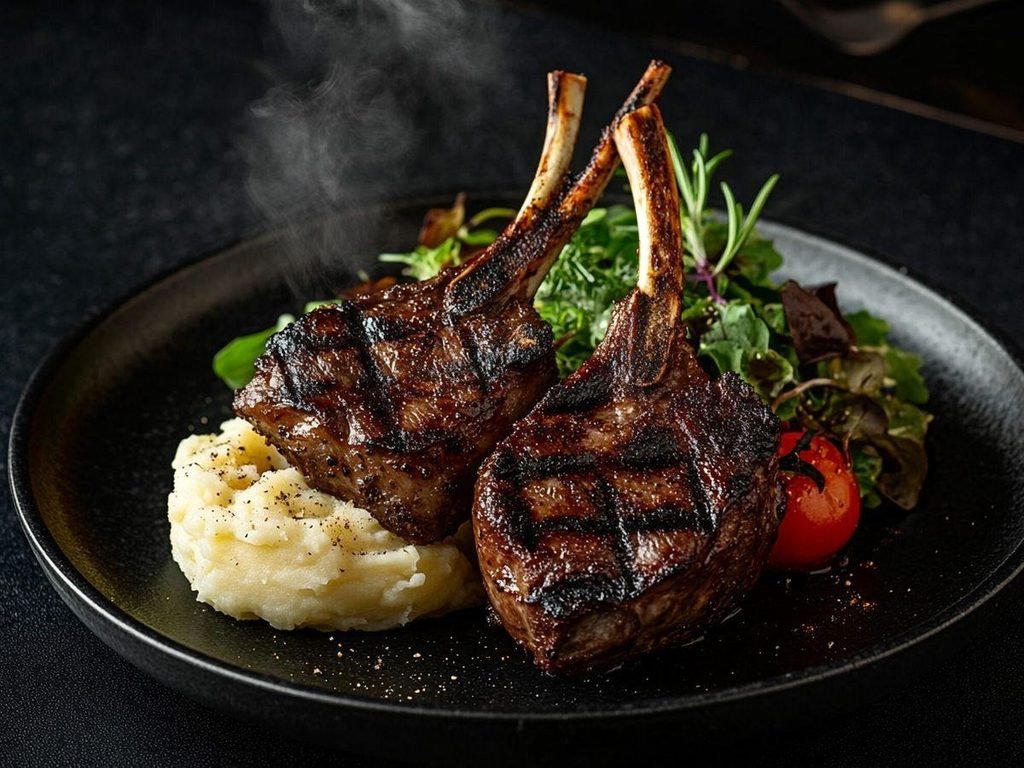
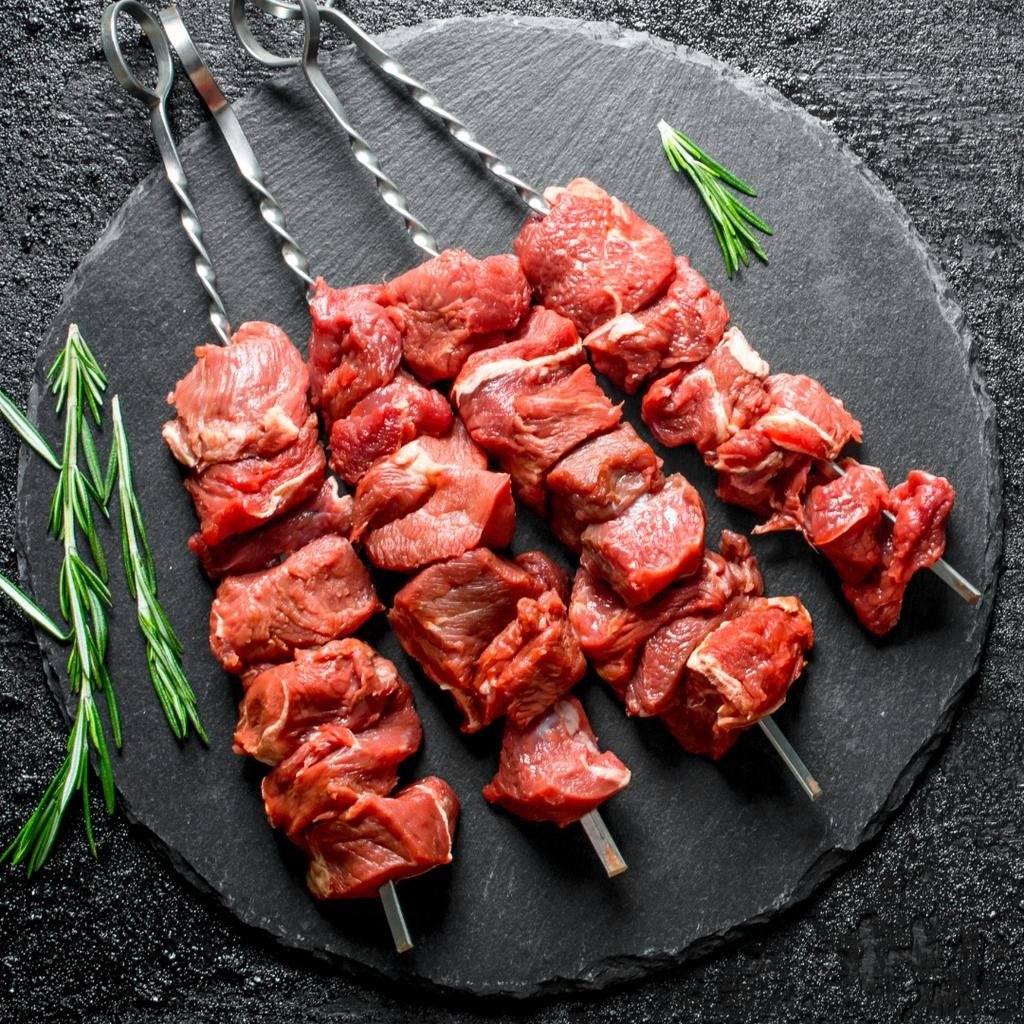
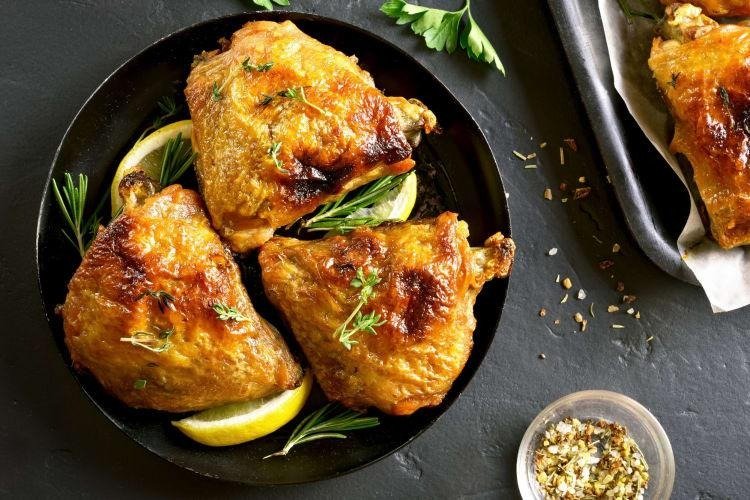
Different cuts perform better in different recipes. Understanding their common applications can help you select the right option.
| Cooking Method | Recommended Option | Why |
| Slow cooking | Bone-in | Suitable for cuts with connective tissue and longer cooking times |
| Grilling | Both | Depends on cut, thickness, and preference |
| Roasting | Both | Bone-in provides traditional presentation; boneless is easier to carve |
| Stir-frying | Boneless | Easier to slice into uniform pieces |
| Braising | Bone-in | Excellent for cuts such as shanks and short ribs |
| Kebabs | Boneless | Easier to cut into consistent cubes |
| Pan-frying | Boneless | Convenient for quick and even cooking |
| Smoking | Both | Different cuts produce different results |
The best choice depends on the recipe rather than a universal preference for one type of meat.
6. Bone-In vs. Boneless Meat: Which Is Better for Different Meat Types?
The difference becomes clearer when comparing specific meat varieties.
Beef
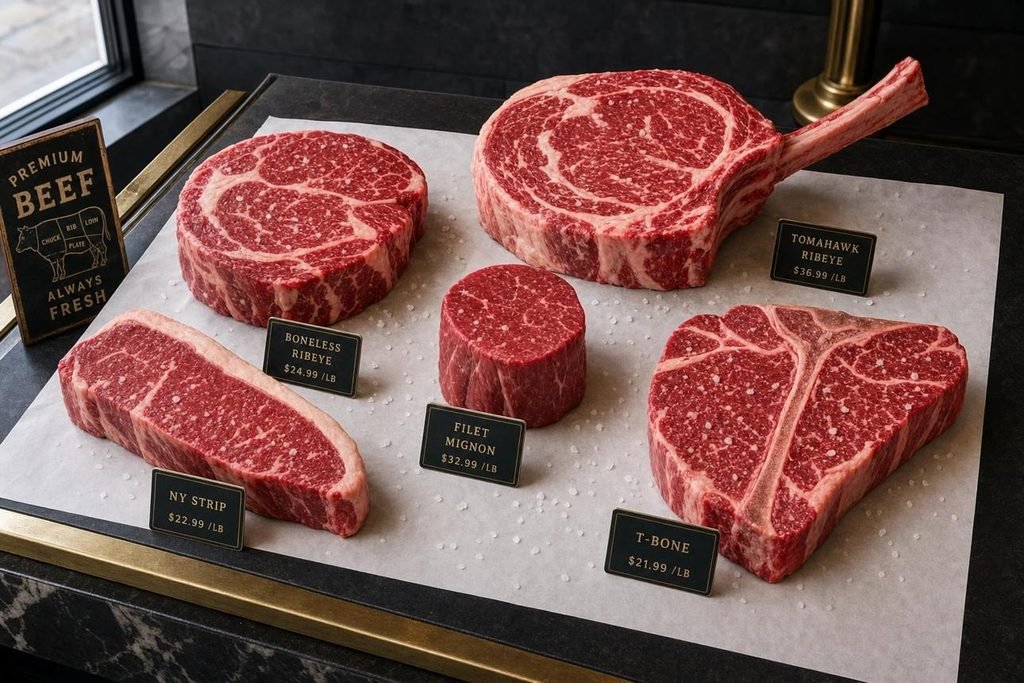
Bone-in beef cuts such as T-bone steaks, porterhouse steaks, and short ribs are popular for grilling, roasting, and slow cooking.
Boneless beef cuts such as ribeye, tenderloin, sirloin, and chuck are easier to portion and prepare for everyday recipes.
- Choose bone-in beef for traditional steaks, braising, and presentation.
- Choose boneless beef for stir-fries, kebabs, steaks, and convenient meal preparation.
Chicken
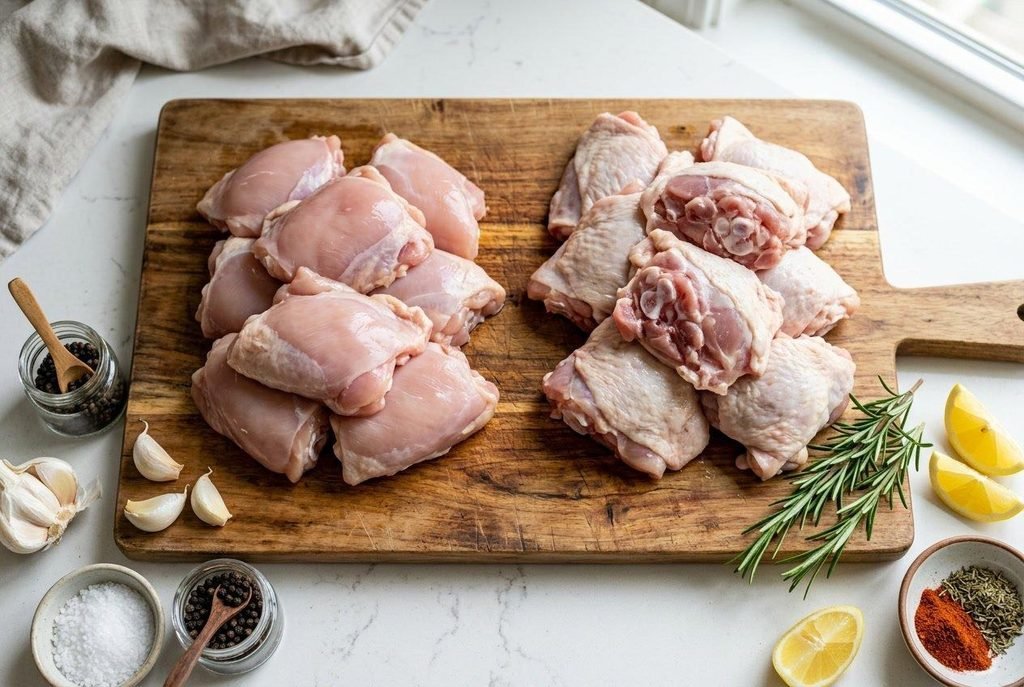
Bone-in chicken thighs, drumsticks, and whole chickens are commonly used for roasting, grilling, and traditional dishes.
Boneless chicken breasts and thighs are popular for sandwiches, wraps, curries, salads, and quick meals.
- Choose bone-in chicken for roasting, grilling, and slow cooking.
- Choose boneless chicken for quick preparation, meal prep, and easy portioning.
Lamb
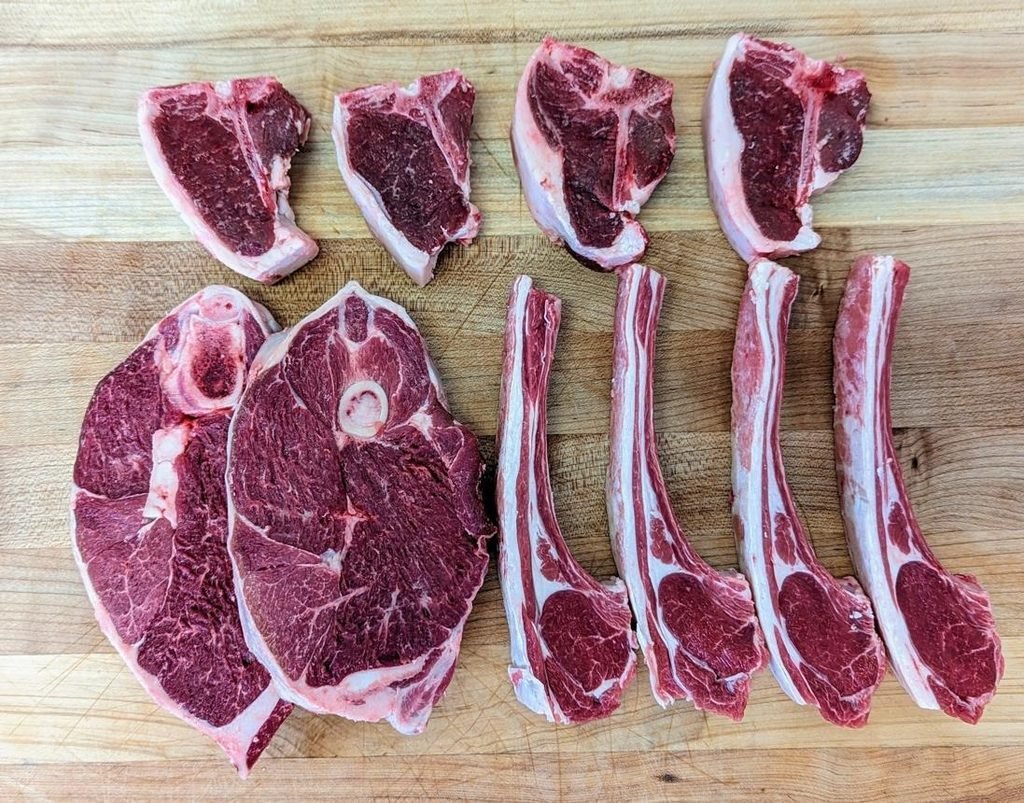
Bone-in lamb chops, shoulder cuts, and shanks are popular for grilling, roasting, and slow cooking.
Boneless lamb leg and shoulder cuts are useful for kebabs, curries, roasts, and sliced meat dishes.
- Choose bone-in lamb for chops, traditional roasts, and braised dishes.
- Choose boneless lamb for kebabs, curries, and easier serving.
Pork
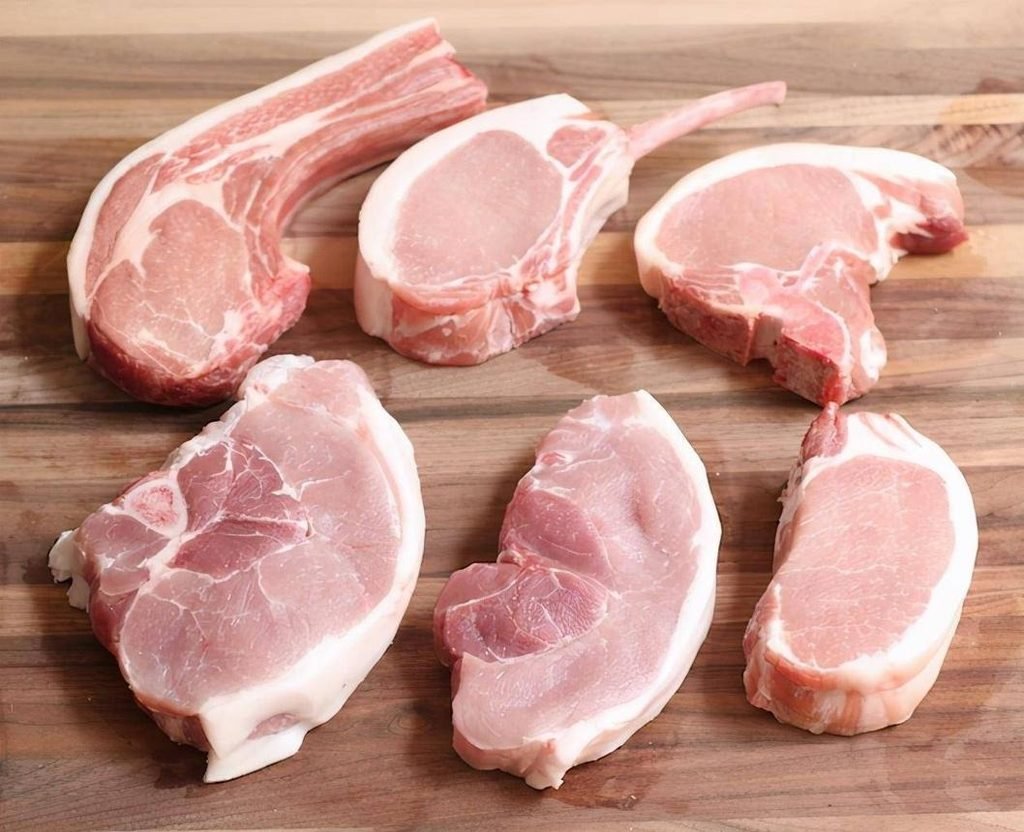
Bone-in pork chops and ribs are frequently used for grilling, roasting, and smoking.
Boneless pork chops, tenderloin, and pork loin are convenient options for pan-frying, roasting, and quick family meals.
- Choose bone-in pork for ribs, chops, and traditional barbecue.
- Choose boneless pork for sandwiches, stir-fries, and convenient cooking.
7. What to Consider When Buying Bone-In or Boneless Meat
Whether you are shopping at a local butcher, supermarket, or online meat supplier, evaluating meat quality is essential.
Here are the main factors to consider before making a purchase.
1. Freshness and Appearance
Fresh meat should have a natural appearance appropriate to its species and cut. Avoid meat with unusual discoloration, excessive liquid, or signs of spoilage.
2. Fat Distribution
Look for appropriate fat distribution, particularly when purchasing beef. Marbling can contribute to flavor and tenderness, especially in cuts intended for grilling.
3. Cut and Thickness
Choose a cut that matches your cooking method. Thicker steaks may work well for grilling, while thinner boneless portions are often convenient for pan-frying.
4. Bone Condition
For bone-in meat, check that the bones are intact and that the cut has been properly butchered. Excessive bone fragments should be avoided.
5. Packaging and Storage
Meat should be stored at appropriate refrigerated or frozen temperatures. Check packaging integrity, storage instructions, and expiration or use-by dates where applicable.
6. Supplier Reputation
Purchase from suppliers and butchers who maintain proper hygiene, transparent product information, and appropriate food-handling practices.
7. Intended Use
Think about how you plan to prepare the meat. Buying an expensive bone-in cut for a recipe that requires small meat cubes may create unnecessary preparation work.
8. Bone-In vs. Boneless Meat: Which One Should You Choose?
There is no single winner because both options serve different cooking needs.
Choose Bone-In Meat If:
- You enjoy traditional cuts.
- You prefer slow-cooked recipes.
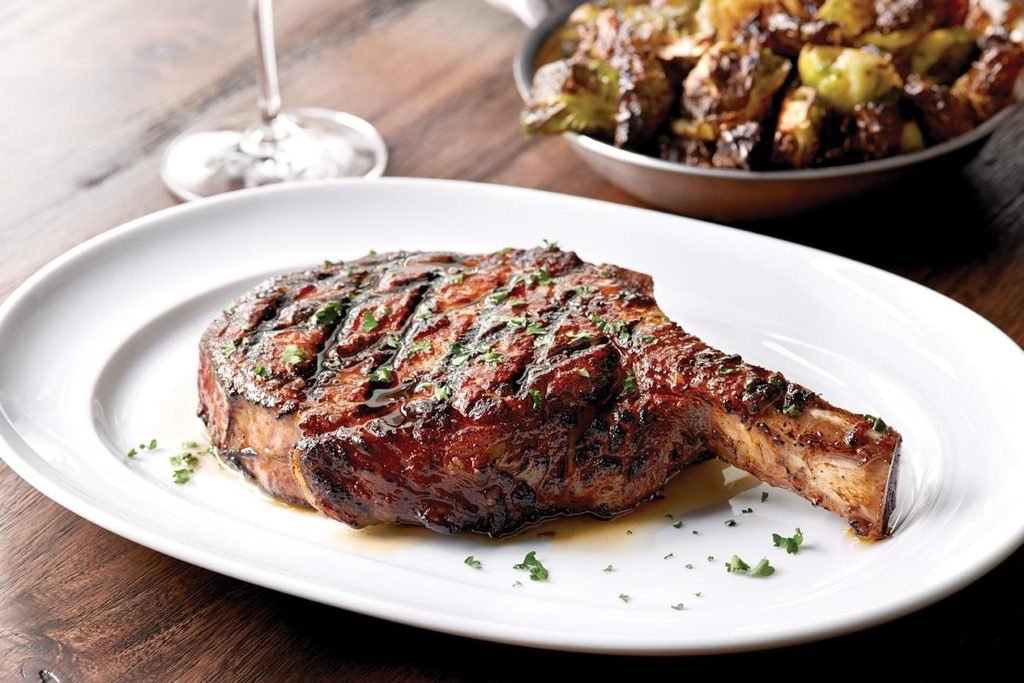
- You want bone-in steaks or chops.
- You enjoy grilling or smoking.
- You value presentation and whole-cut cooking.
Choose Boneless Meat If:
- You want convenient preparation.
- You prefer easy portioning.
- You regularly prepare quick meals.
- You want more usable meat per pound.
- You need uniform pieces for recipes.
For everyday cooking, boneless meat is often more convenient. For traditional grilling, roasting, and slow-cooked dishes, bone-in cuts can be an excellent choice.
The best buying decision comes down to balancing meat quality, cooking requirements, usable yield, and overall cost.
Frequently Asked Questions (FAQs)
1. Is bone-in meat better than boneless meat?
Neither is universally better. Bone-in meat is popular for grilling, roasting, and slow cooking, while boneless meat is easier to prepare, portion, and serve. The better choice depends on the recipe and personal preference.
2. Does bone-in meat have more flavor than boneless meat?
Not necessarily. Bones can influence the cooking process, but the flavor of meat primarily depends on its cut, fat content, quality, seasoning, and cooking technique.
3. Is boneless meat more expensive than bone-in meat?
Boneless meat often costs more per pound because additional butchering is required and the purchase weight contains no bones. However, it can offer better value when comparing the cost of usable meat.
4. Does bone-in meat take longer to cook?
It often does, but cooking time depends on the cut’s thickness, weight, temperature, and preparation method. A meat thermometer provides a more reliable way to check doneness.
5. Which is better for grilling, bone-in or boneless meat?
Both work well for grilling. Bone-in steaks and chops offer traditional presentation, while boneless cuts are easier to handle and portion. Proper heat control is important for either option.
6. Is boneless chicken healthier than bone-in chicken?
The presence or absence of bones does not determine whether chicken is healthier. Nutritional differences depend more on the specific cut, whether the skin is included, preparation method, and added ingredients.
7. Which option provides more edible meat?
Boneless meat generally provides more edible meat per pound purchased because the bones have already been removed. However, the actual difference depends on the cut and its bone-to-meat ratio.
8. Can bone-in meat be used in the same recipes as boneless meat?
In many cases, yes. However, you may need to adjust preparation, portioning, and cooking time. Recipes requiring evenly sized meat pieces are generally easier to prepare with boneless cuts.
Final Thoughts
The choice between bone-in and boneless meat depends on what you value most when buying and preparing meat. Bone-in cuts are excellent for traditional cooking methods, grilling, roasting, and slow-cooked dishes. Boneless cuts offer convenience, easier portioning, and a higher proportion of directly usable meat.
Before purchasing, consider the specific cut, freshness, fat distribution, price, usable yield, and intended cooking method. Rather than focusing only on whether meat contains bones, prioritize overall quality and suitability for your recipe.
Making an informed choice will help you get better value from your purchase and prepare meals that meet your cooking preferences.