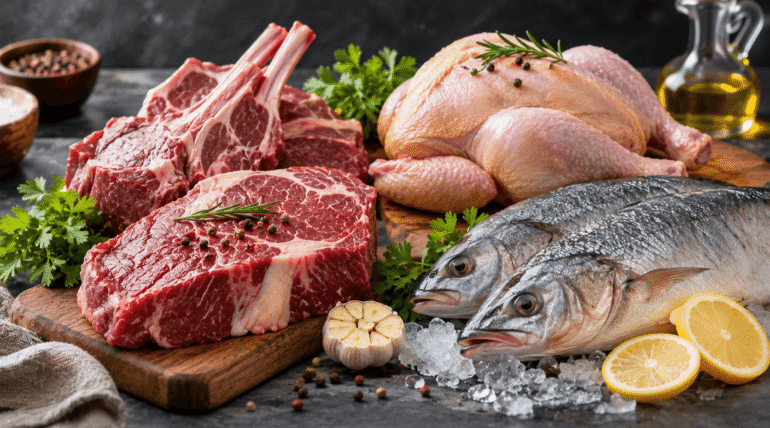
Choosing the right type of meat is important for restaurants, hotels, catering businesses, and households. Beef, mutton, chicken, and fish each offer different flavors, textures, nutritional benefits, and cooking possibilities. Understanding these differences helps buyers select suitable meat for their menus, recipes, and daily food requirements.
For restaurants and food businesses, choosing the right meat also involves considering quality, freshness, portion size, consistency, and wholesale pricing. This guide explains the main differences between beef, mutton, chicken, and fish, including their common uses, nutritional characteristics, and factors to consider when purchasing them.
What Are the Different Types of Meat?
The four commonly consumed meat categories are beef, mutton, chicken, and fish. Beef comes from cattle, mutton comes from mature sheep, chicken comes from poultry, and fish comes from aquatic animals. Each category has distinct characteristics that influence its taste, nutritional composition, preparation methods, and suitability for different dishes.
Although all four provide valuable nutrients, their protein content, fat levels, and culinary applications vary depending on the cut, species, and preparation method.
1. Beef: A Versatile Red Meat
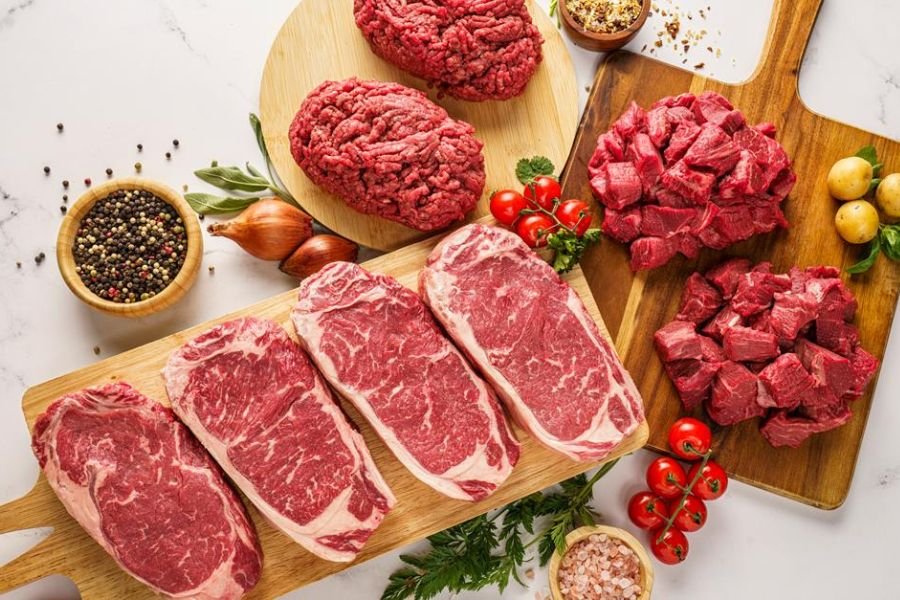
Beef is red meat obtained from cattle. It is widely used in traditional meals, restaurant menus, burgers, steaks, and slow-cooked dishes. Its flavor, texture, and fat content vary depending on the cut and the animal’s characteristics.
Key characteristics of beef:
- Texture: Ranges from tender to firm, depending on the cut.
- Flavor: Rich, savory, and relatively robust.
- Nutrients: Provides protein, iron, zinc, and vitamin B12.
- Common cuts: Beef ribs, brisket, sirloin, chuck, and tenderloin.
Popular cooking methods: Beef is suitable for grilling, roasting, frying, braising, and slow cooking. Tender cuts work well for steaks, while tougher cuts such as brisket and chuck are better suited to longer cooking methods.
Best uses: Beef is commonly used in burgers, steaks, beef karahi, biryani, kebabs, nihari, and restaurant curries.
For restaurants and commercial kitchens, selecting the appropriate beef cut is essential. The right cut helps achieve consistent portions, suitable cooking times, and the desired texture in finished dishes.
2. Mutton: Rich Flavor and Tender Texture
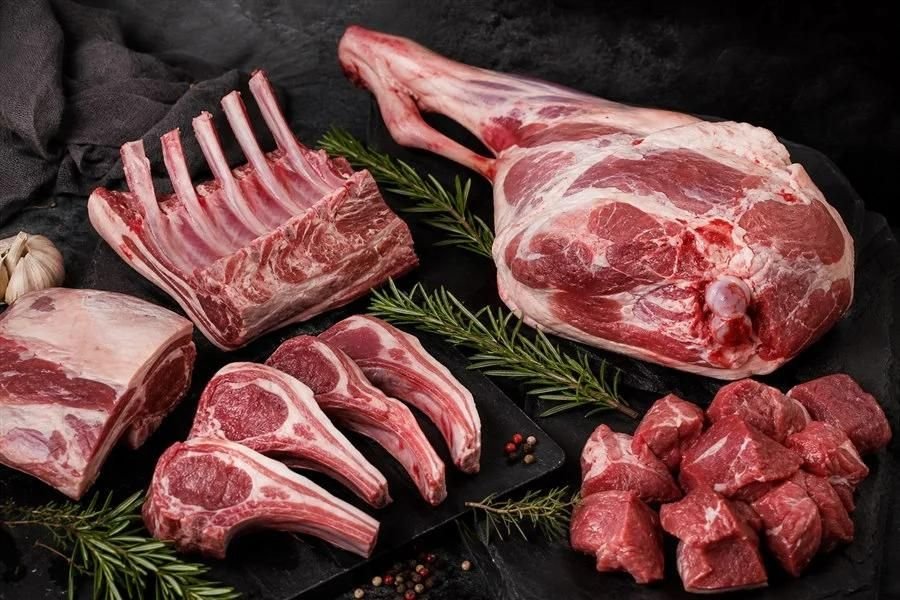
Mutton refers to meat from mature sheep, while lamb comes from younger sheep. Mutton generally has a stronger flavor and firmer texture than lamb, making it suitable for traditional dishes that require slow cooking.
Key characteristics of mutton:
- Texture: Usually firmer than lamb, depending on the cut and age.
- Flavor: Distinctive, rich, and slightly gamey.
- Nutrients: Contains protein, iron, zinc, and vitamin B12.
- Common cuts: Shoulder, leg, ribs, chops, and neck.
Popular cooking methods: Slow cooking, pressure cooking, roasting, grilling, and braising are common methods. Longer cooking helps tenderize tougher cuts and develop deeper flavors.
Best uses: Mutton is particularly popular in Pakistani cuisine, including mutton karahi, paya, mutton pulao, biryani, qorma, and traditional curries.
When purchasing mutton for restaurants or catering operations, buyers should consider the intended dish, cut size, bone-to-meat ratio, and required quantity. These factors directly affect portion planning and food costs.
3. Chicken: A Popular and Flexible Poultry Option
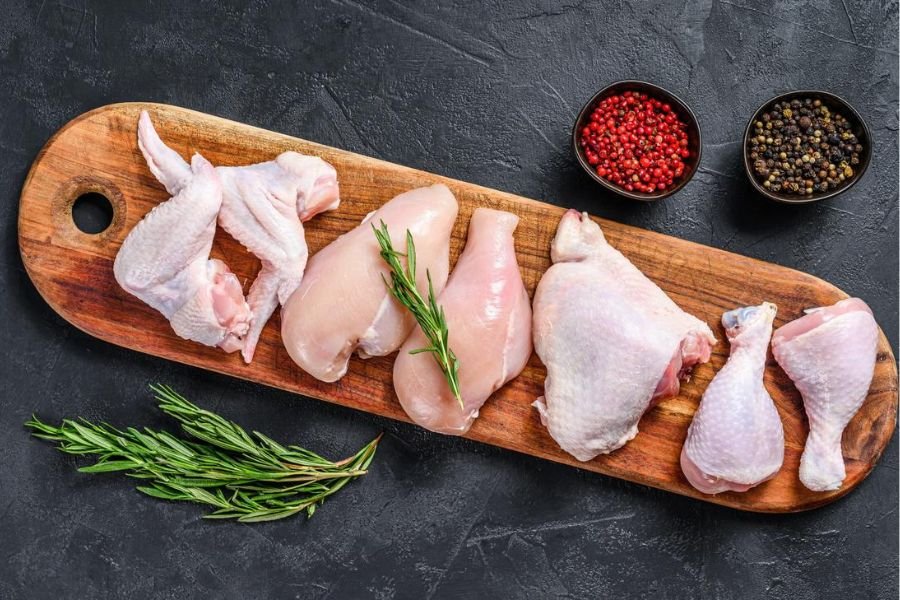
Chicken is poultry meat obtained from domesticated chickens. It is widely consumed because of its mild flavor, cooking flexibility, and availability in different cuts. It also provides high-quality protein and can be incorporated into many everyday meals.
Key characteristics of chicken:
- Texture: Generally tender, with differences between breast and dark meat.
- Flavor: Mild, making it suitable for different seasonings and marinades.
- Nutrients: Provides protein, phosphorus, selenium, and B vitamins.
- Common cuts: Breast, thighs, drumsticks, wings, and whole chicken.
Popular cooking methods: Chicken can be grilled, roasted, fried, baked, boiled, or cooked in curries. Chicken breast is commonly used for fillets and sandwiches, while thighs and drumsticks are suitable for grilling and traditional dishes.
Best uses: Chicken karahi, chicken biryani, fried chicken, BBQ, sandwiches, burgers, and grilled chicken are popular applications.
For food businesses, chicken offers flexibility across different menu categories. Restaurants can purchase whole chickens or specific cuts depending on their preparation requirements, portion sizes, and daily demand.
4. Fish: A Protein-Rich Seafood Choice
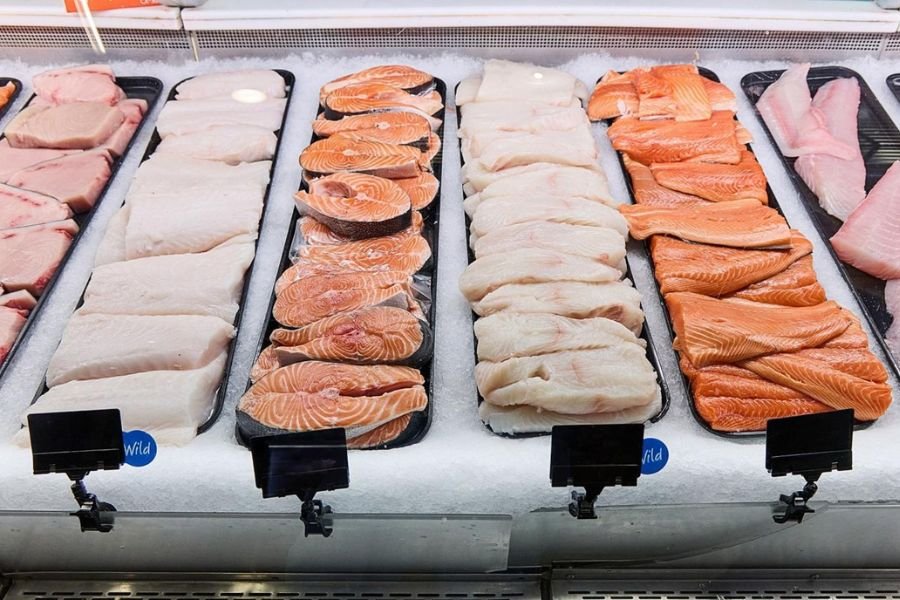
Fish is seafood obtained from freshwater or saltwater environments. Unlike beef and mutton, fish generally has a lighter texture and shorter cooking time. Different fish species vary considerably in flavor, fat content, nutritional composition, and availability.
Key characteristics of fish:
- Texture: Usually delicate and flaky, although some species have firmer flesh.
- Flavor: Ranges from mild to rich, depending on the species.
- Nutrients: Provides protein, iodine, selenium, and varying amounts of omega-3 fatty acids.
- Common varieties: Rohu, pomfret, tilapia, tuna, salmon, and mackerel.
Popular cooking methods: Fish can be grilled, fried, steamed, baked, or cooked in curries. Firmer varieties are suitable for grilling, while delicate fish may require gentler preparation to prevent the flesh from breaking apart.
Best uses: Fish curry, fried fish, grilled fish, fish tikka, fish fillets, and seafood platters are common options.
Freshness is particularly important when purchasing fish. Buyers should consider its smell, appearance, texture, storage conditions, and delivery handling. Different species also have different seasonal availability and market prices.
For restaurants, selecting the appropriate fish variety helps maintain menu consistency and manage purchasing costs.
Beef vs. Mutton vs. Chicken vs. Fish: What Is the Difference?
Although all four categories provide protein, their characteristics make them suitable for different cooking requirements.
| Comparison | Beef | Mutton | Chicken | Fish |
| Meat category | Red meat | Red meat | Poultry | Seafood |
| Flavor | Rich | Strong | Mild | Varies by species |
| Texture | Varies by cut | Firm | Tender | Often flaky |
| Cooking time | Varies | Often longer | Usually moderate | Usually shorter |
| Common uses | Steaks, burgers, curries | Karahi, pulao, curries | BBQ, biryani, fried dishes | Grilling, frying, curries |
Which type of meat should you choose?
The right choice depends on your recipe, customer preferences, nutritional requirements, and purchasing budget. Beef and mutton are suitable for rich traditional dishes, chicken offers versatility for everyday menus, and fish provides seafood options with different nutritional characteristics.
There is no single best type of meat for every situation. Each serves a different culinary purpose.
How to Choose the Right Meat for Your Business
For restaurants, hotels, caterers, and food service businesses, choosing meat involves more than comparing prices. Product quality, freshness, portion requirements, and reliable supply all influence purchasing decisions.
Consider these factors before placing an order:
- Freshness and handling: Check the appearance, smell, packaging, and storage conditions. Meat and seafood should remain properly chilled throughout transportation and storage.
- Meat cuts: Select cuts according to your menu. For example, beef brisket works well for slow cooking, while chicken breast is suitable for fillets and sandwiches.
- Quantity requirements: Estimate daily or weekly consumption to avoid unnecessary purchases and wastage.
- Consistent quality: Work with suppliers who can meet your specifications and maintain consistent product standards.
- Wholesale pricing: Compare prices based on cut, grade, portion size, and quantity rather than price alone.
At Meat Bay, we understand that restaurants and commercial kitchens need dependable meat supplies at competitive wholesale prices. Our approach focuses on helping businesses source beef, mutton, chicken, and fish according to their purchasing requirements.
Why Proper Meat Storage and Handling Matter
Proper storage and handling are essential for maintaining meat quality and reducing food safety risks. Different meat categories require appropriate refrigeration, hygienic handling, and thorough cooking.
According to the USDA and FoodSafety.gov, recommended minimum internal cooking temperatures include:
- Beef and mutton: 63°C (145°F) for whole cuts, followed by a three-minute rest.
- Ground meat: 71°C (160°F).
- Chicken: 74°C (165°F).
- Fish: 63°C (145°F), or until the flesh becomes opaque and separates easily with a fork.
Raw meat should also be kept separate from ready-to-eat foods, and perishable products should be refrigerated promptly. These practices help reduce contamination and foodborne illness risks.
Frequently Asked Questions
1. What are the four main types of meat?
The four commonly consumed categories discussed in this guide are beef, mutton, chicken, and fish. They differ in flavor, texture, nutritional composition, and cooking applications.
2. What is the difference between beef and mutton?
Beef comes from cattle, whereas mutton comes from mature sheep. Beef generally has a rich, savory flavor, while mutton has a more distinctive flavor and often requires longer cooking to become tender.
3. Which meat is best for everyday cooking?
Chicken is a versatile option for everyday cooking because it can be prepared in numerous ways, including grilling, frying, baking, and curries. Beef, mutton, and fish are also suitable depending on individual preferences and recipes.
4. Which type of meat is commonly used in Pakistani restaurants?
Beef, mutton, and chicken are widely used in Pakistani restaurants for dishes such as karahi, biryani, nihari, BBQ, and kebabs. Fish is also popular, particularly for fried and grilled seafood dishes.
5. How can restaurants buy meat at wholesale prices?
Restaurants can purchase meat directly from wholesale suppliers by sharing their preferred meat category, cuts, required quantities, and delivery requirements. Comparing specifications and pricing helps businesses make informed purchasing decisions.
Choose Meat Bay for Bulk Meat Supply in Karachi
Understanding different types of meat helps restaurants, hotels, caterers, and food businesses make better purchasing decisions. Whether your business requires beef, mutton, chicken, or fish, choosing a reliable wholesale supplier is essential for maintaining quality, managing food costs, and meeting daily operational demands.
Meat Bay specializes in bulk and B2B meat supply for restaurants, hotels, caterers, and other commercial buyers across Karachi. We focus on providing quality meat at competitive wholesale prices to support businesses with their regular supply requirements.
Looking for a dependable wholesale meat supplier in Karachi? Contact Meat Bay today through our wholesale inquiry form to discuss your required meat types, bulk quantities, and wholesale pricing.